The Dual-Caffeine Breakdown
Fast lift, slow follow-through — and an honest gap in what's publicly disclosed.
Search “fat burner caffeine crash” and you'll find hundreds of near-identical complaints: a hard jolt around 9am, a hard wall around noon, and a strong urge to eat something sugary the moment the wall hits. That's not bad luck. It's how a single large dose of fast-acting caffeine tends to behave in the body — sharp rise, sharp fall, and a craving spike that lands right at the bottom of the fall.
Two sources, two different speeds
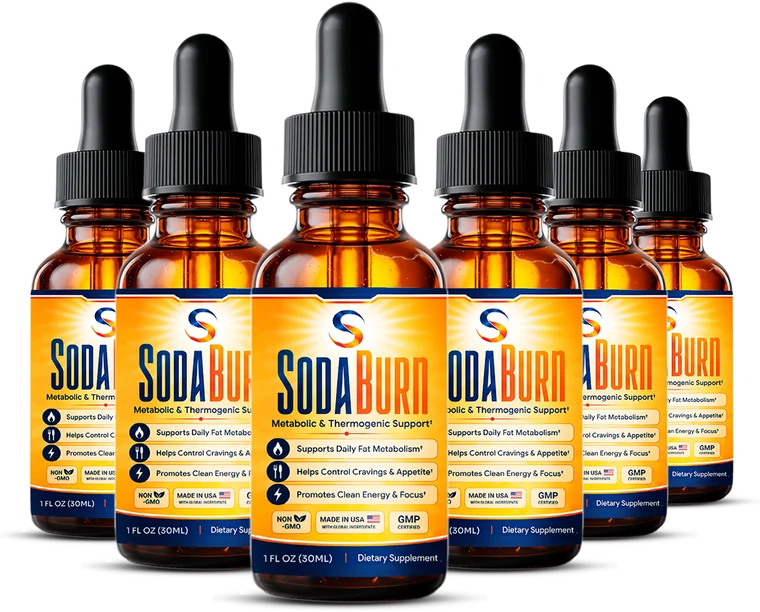
SodaBurn's approach pairs Green Tea Leaf Extract with Guarana Seed Extract instead of a single concentrated stimulant. The two behave differently:
- Green Tea Leaf Extract — its natural caffeine, paired with catechins, tends to act relatively quickly, giving the earlier lift.
- Guarana Seed Extract — traditionally associated with a slower, more gradual caffeine release, intended to carry that energy further into the afternoon instead of dropping it off a cliff.
The idea isn't unique to SodaBurn — dual or staggered caffeine sourcing shows up across the energy and sports-nutrition category precisely because a single hard dose is well known to produce the spike-then-crash pattern people complain about.
What we can't tell you
Here's the part most competitor pages don't say plainly: an exact combined milligram figure for the caffeine content isn't published in the materials we reviewed. We're not going to estimate a number to make this article sound more authoritative than it is. If precise caffeine dosing matters to you medically, that's a conversation for your doctor with the physical bottle label in hand, not a number we invent here.
Why this matters beyond just 'energy'
The crash isn't only uncomfortable — it's also the exact moment decision-making gets harder and cravings get louder. We go deeper on that mechanism in Why Willpower Isn't The Problem. Two-speed energy sourcing is, functionally, an attempt to avoid recreating that low point at all.